Alcohol and Your Heart: What You Need to Know
Understanding how alcohol can affect your heart — and how reducing or stopping alcohol may help.
Your heart works continuously, day and night, to keep your body functioning. While most people are aware that excessive alcohol consumption can damage the liver, fewer people realise that alcohol can also have a significant impact on heart and cardiovascular health.
Whether you drink regularly, occasionally binge drink, or are thinking about stopping alcohol altogether, understanding the relationship between alcohol and your heart can be an important first step towards better health.
🫀 How Does Alcohol Affect the Heart?
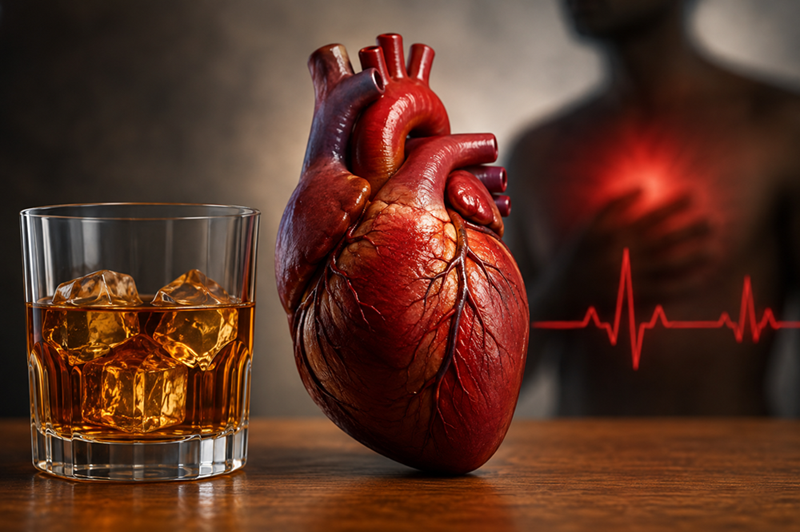
Alcohol can affect the cardiovascular system in several different ways.
Regular heavy drinking can:
Increase blood pressure
Affect the normal rhythm of the heart
Weaken the heart muscle
Increase the risk of stroke
Increase the risk of heart failure
The risk generally increases with the amount of alcohol consumed and how frequently you drink.
Some alcohol-related heart conditions can develop gradually and may not produce obvious symptoms at first. This is one reason why regular health checks and seeking professional advice are important if you are concerned about your drinking.
💓 Can Alcohol Cause an Irregular Heartbeat?
Yes.
Alcohol can trigger abnormal heart rhythms, including atrial fibrillation (AF).
Some people notice a racing, fluttering or irregular heartbeat after drinking heavily. This is sometimes referred to as “holiday heart syndrome”, where an episode of an abnormal heart rhythm occurs following heavy alcohol consumption.
Possible symptoms include:
❤️ A racing or fluttering heartbeat
😮💨 Shortness of breath
😵 Dizziness or light-headedness
😴 Unusual tiredness
💢 Chest discomfort
If you experience new or significant symptoms such as these, particularly chest pain, severe breathlessness or fainting, seek urgent medical attention.
🩸 Alcohol and High Blood Pressure
Regular alcohol consumption can contribute to high blood pressure (hypertension), including in people who previously had normal blood pressure readings.
High blood pressure places additional strain on the heart and blood vessels and is an important risk factor for:
Heart attack
Stroke
Kidney disease
Other cardiovascular problems
For some people, reducing their alcohol intake or stopping drinking can help improve blood pressure over time.
Other healthy lifestyle changes, including eating a balanced diet, exercising regularly, maintaining a healthy weight and managing stress, can also support cardiovascular health.
❤️ The Hidden Effects of Long-Term Heavy Drinking
Long-term heavy alcohol consumption can weaken the heart muscle.
This is known as alcohol-related cardiomyopathy. When the heart muscle becomes weakened, the heart may struggle to pump blood around the body effectively.
Possible symptoms can include:
Swelling of the legs or ankles
Persistent tiredness
Breathlessness
Reduced ability to exercise
Feeling unusually weak
The good news is that heart function may improve when alcohol consumption is significantly reduced or stopped, particularly when the problem is identified and treated early.
🌿 What Happens to Your Heart When You Stop Drinking?
Reducing or stopping alcohol can have positive effects on your overall health.
Depending on the individual, potential benefits may include:
Lower blood pressure
Reducing alcohol consumption can help some people achieve healthier blood pressure levels.
Improved heart rhythm
If alcohol has been contributing to irregular heart rhythms, reducing or stopping alcohol may help reduce episodes.
Better sleep
Alcohol can interfere with normal sleep patterns. Reducing alcohol may help improve sleep quality.
More energy
As your body adjusts to less alcohol, you may notice improvements in energy and general wellbeing.
Better overall health
Reducing alcohol can support healthier lifestyle choices and improve your overall cardiovascular health.
However, there is an important consideration if you have been drinking heavily or regularly.
⚠️ Don’t Stop Suddenly If You May Be Dependent on Alcohol
Although stopping alcohol can have significant health benefits, suddenly stopping can be dangerous for people who are physically dependent on alcohol.
Alcohol withdrawal can place considerable stress on the body and may cause symptoms ranging from:
Anxiety and restlessness
Shaking or tremors
Sweating
Nausea and vomiting
Difficulty sleeping
Increased heart rate
Raised blood pressure
In severe cases, alcohol withdrawal can result in seizures or delirium tremens (DTs), which require urgent medical treatment.
This is why medical advice is important.
If you drink heavily or regularly and are considering stopping, speak to a healthcare professional before attempting to detox on your own.
🏠 Medically Supported Alcohol Detox at Home
For some people, alcohol detox can be safely managed at home with appropriate clinical assessment, prescribing and monitoring.
A medically supported home detox may provide:
✔️ A personalised clinical assessment
✔️ An individualised detox plan
✔️ Appropriate medication to help manage withdrawal symptoms
✔️ Professional monitoring and support
✔️ Advice about reducing the risks associated with alcohol withdrawal
✔️ Support with planning for longer-term recovery
Home detox can provide a more comfortable and private alternative for suitable individuals who meet the clinical criteria for community-based detoxification.
However, home detox is not suitable for everyone. A healthcare professional should assess your individual circumstances, alcohol use, physical health, previous withdrawal history and other relevant factors before deciding whether home detox is appropriate.
🌱 Protecting Your Heart Starts Today
Looking after your heart isn’t only about preventing health problems in the future.
Reducing harmful alcohol use may help you:
Sleep better.
Feel more energetic.
Improve your overall wellbeing.
Support healthier blood pressure.
Reduce alcohol-related health risks.
If alcohol has started to affect your health, relationships, work or peace of mind, seeking support is a positive step — not something to be ashamed of.
You don’t have to do it alone.
💙 We’re Here to Help
Taking the first step towards reducing or stopping alcohol can feel overwhelming, particularly if you’re worried about withdrawal.
Our confidential online alcohol detox service provides professional support from experienced healthcare professionals, helping suitable clients access a personalised and medically supported detox plan from the comfort of their own home.
We understand that everyone’s circumstances are different. That’s why we take the time to assess your individual needs and provide appropriate support throughout your detox journey.
Ready to take the first step?
If you are concerned about alcohol and your heart, get in touch with our team today to discuss whether a medically supported home detox could be suitable for you.
Confidential. Compassionate. Professional support — from the comfort of your own home.