

Introduction
For many people struggling with alcohol dependence, the first step toward recovery is alcohol detoxification. Detox is the process by which the body clears alcohol from the system and begins adjusting to functioning without it.
While detox is an essential step toward recovery, it can also be physically and emotionally challenging. Understanding the symptoms, timeline, and benefits of medical supervision can help individuals and families prepare for this important stage of treatment.
Understanding Alcohol Withdrawal Symptoms
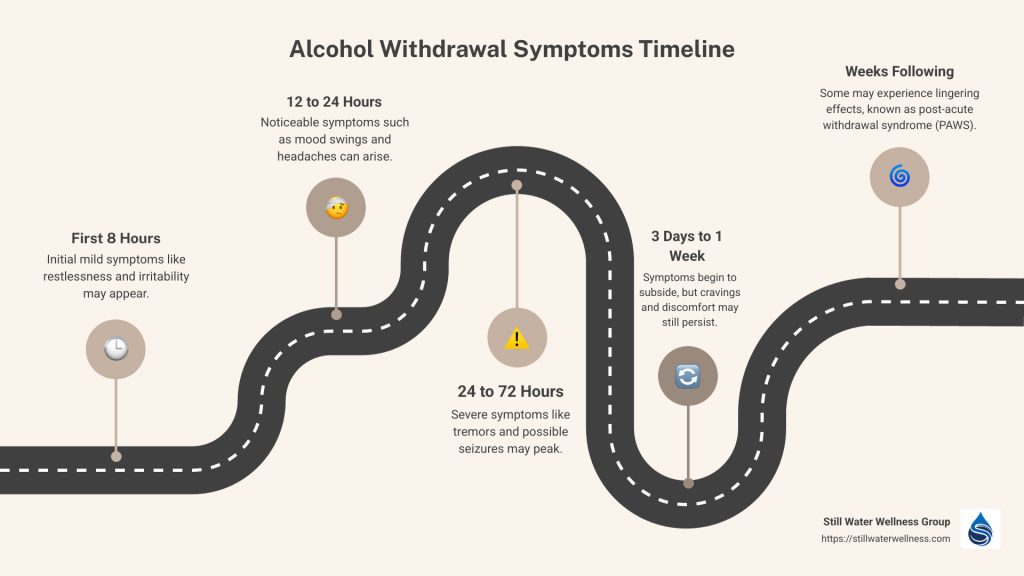
When someone who drinks heavily suddenly stops drinking, the body reacts because it has adapted to alcohol being present. This reaction is known as alcohol withdrawal syndrome.
Withdrawal symptoms can vary depending on:
-
How much alcohol a person drinks
-
How long they have been drinking
-
Their physical health
-
Whether they have previously experienced withdrawal
Common withdrawal symptoms include:
-
Tremors (shaking hands)
-
Anxiety or agitation
-
Nausea and vomiting
-
Headaches
-
Sweating
-
Difficulty sleeping
-
Increased heart rate
-
Hallucinations in severe cases
Symptoms typically begin within 6–12 hours after the last drink and may peak within the first two to three days of detox.
The Alcohol Detox Timeline
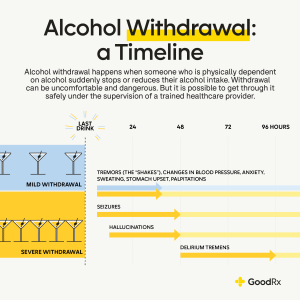
Although detox experiences vary from person to person, many people follow a similar withdrawal timeline.
6–12 Hours After the Last Drink
Early symptoms may include:
-
Mild anxiety
-
Headaches
-
Nausea
-
Sweating
-
Shaking
These symptoms are usually uncomfortable but manageable with support.
12–24 Hours
Symptoms may intensify and can include:
-
Increased blood pressure
-
Tremors
-
Confusion
-
Irritability
Some individuals may experience hallucinations during this stage.
24–48 Hours
At this stage, withdrawal may become more serious:
-
Severe shaking
-
Vomiting
-
Intense anxiety
-
Seizures in some cases
48–72 Hours
This is the highest-risk period during alcohol detox.
A severe complication called Delirium Tremens (DTs) may occur, causing:
-
Severe confusion
-
Hallucinations
-
Fever
-
Seizures
-
Rapid heart rate
Because of these risks, medical supervision is strongly recommended.
Why Medical Detox Is Important
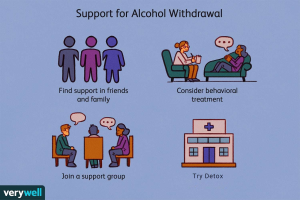
Medical detox programmes provide a safe and supportive environment for individuals going through withdrawal.
Key benefits include:
Clinical Monitoring
Healthcare professionals monitor vital signs such as:
-
Blood pressure
-
Heart rate
-
Temperature
This ensures any complications are managed quickly.
Medication Support
Experienced Clinician may prescribe medications to reduce withdrawal symptoms and prevent complications such as seizures.
These medications may include:
-
Benzodiazepines
-
Anti-nausea medication
-
Vitamin supplementation such as thiamine
Nutritional and Hydration Support
Heavy alcohol use often leads to dehydration and vitamin deficiencies. Detox programmes help restore the body’s physical balance.
Emotional Support
Withdrawal can trigger anxiety, depression, and strong cravings. Support from trained professionals can greatly improve success during detox.
What Happens After Detox?
Detox is the first step in recovery, but it is not the entire treatment process.
Long-term recovery often includes:
-
Addiction counselling
-
Cognitive behavioural therapy
-
Support groups
-
Relapse prevention planning
-
Ongoing mental health support
Continuing treatment after detox greatly increases the likelihood of sustained recovery.
When to Seek Professional Help
Medical advice should always be sought before stopping alcohol if you:
-
Drink heavily every day
-
Have experienced withdrawal symptoms before
-
Have had seizures when stopping alcohol
-
Have underlying health conditions
-
Take other medications
Stopping alcohol suddenly without support can be dangerous.
A New Beginning
Alcohol detox may feel overwhelming, but it is also the beginning of recovery and improved health. With the right medical care and support, individuals can safely navigate detox and move forward toward long-term recovery.
If you or a loved one is considering alcohol detox, speaking with a qualified healthcare professional is an important first step.
Recovery is possible — and help is available.